skilpod.com / blog
Skilpod reports strong growth ahead of the summer construction break
Just ahead of the summer construction break, Skilpod is reporting strong growth figures. The modular homebuilder, based in Geel, Belgium, currently has an order book of approximately 300 modular homes, representing a total project value of around €70 million. Confidence in modular construction continues to grow among housing associations, local authorities, property developers and private homebuyers alike. In addition to shorter construction times and a hassle-free building process, Skilpod's homes are increasingly recognised for their architectural quality, living comfort and high-end finish.
Pieter Schoofs, Managing Director of Skilpod: "Since the launch of the Modular Housing Framework Agreement in 2023, Skilpod has participated in 19 tenders and successfully secured 13 of them. Our order book now contains approximately 300 homes, representing a total project value of around €70 million. We expect our project portfolio to grow structurally to around €100 million by the end of the year. These figures clearly demonstrate that modular construction has become a fully-fledged answer to the growing demand for fast, high-quality, sustainable and affordable housing. At the same time, I believe we are only at the beginning. The potential for industrial modular construction is enormous, both in the social housing sector and in the wider residential market."
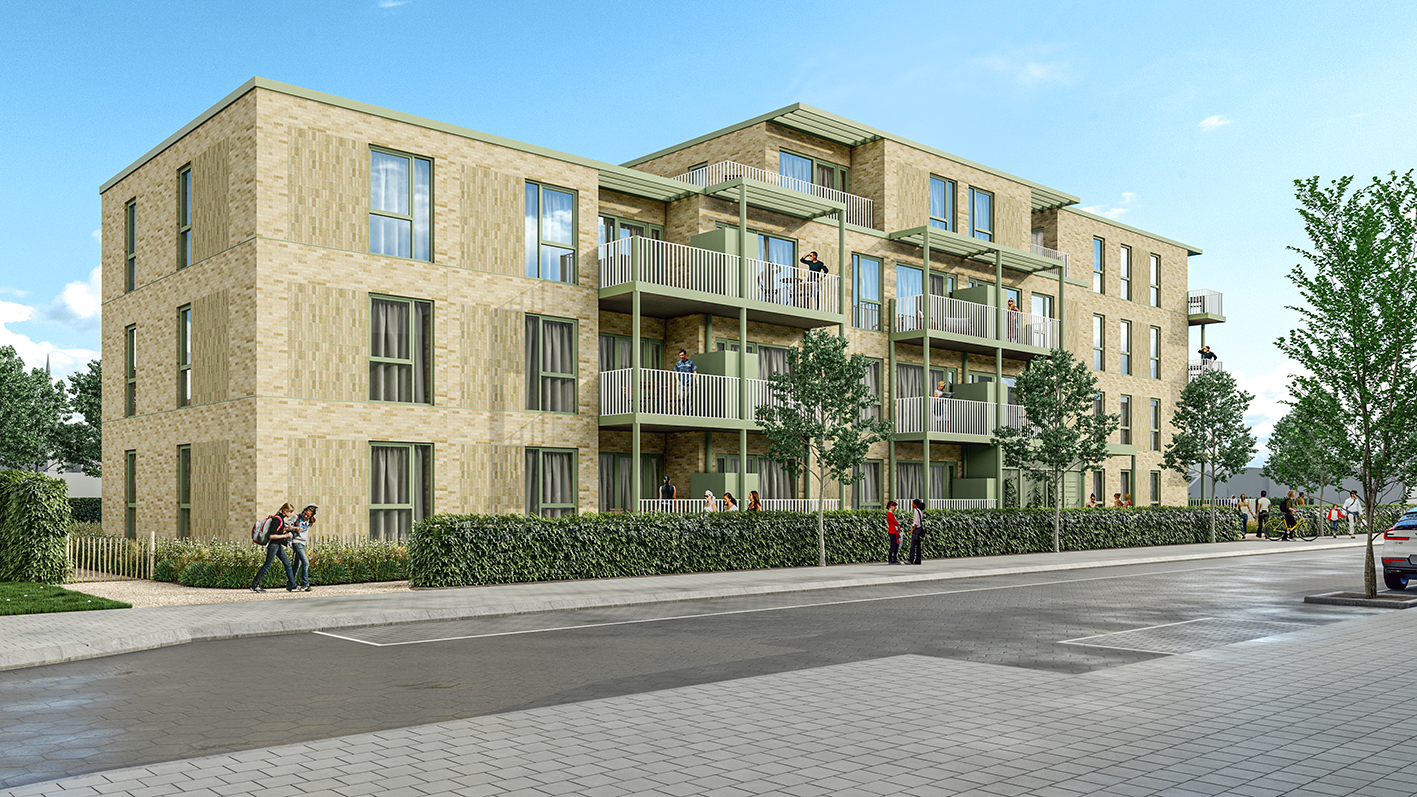
Framework agreement accelerates social housing delivery
The Modular Housing Framework Agreement 2023 (MW2023), established by Wonen in Vlaanderen for a four-year period with three selected consortia, enables housing associations and local authorities to select a modular construction partner through a simplified mini-competition for specific housing projects.
Industrial construction as an answer to the housing shortage
At Skilpod, homes are manufactured in the company's own production facility in Geel. This industrialised building process allows projects to be completed faster and more predictably while ensuring consistent quality and reducing dependency on weather conditions. Because the modules arrive on site up to 95% finished, on-site construction time and disruption are kept to a minimum.
"By industrialising a large part of the construction process, we can build faster without compromising on quality, sustainability or architectural design," continues Pieter Schoofs. "This enables housing associations to deliver high-quality homes more quickly while helping address the major housing challenges facing Flanders today."
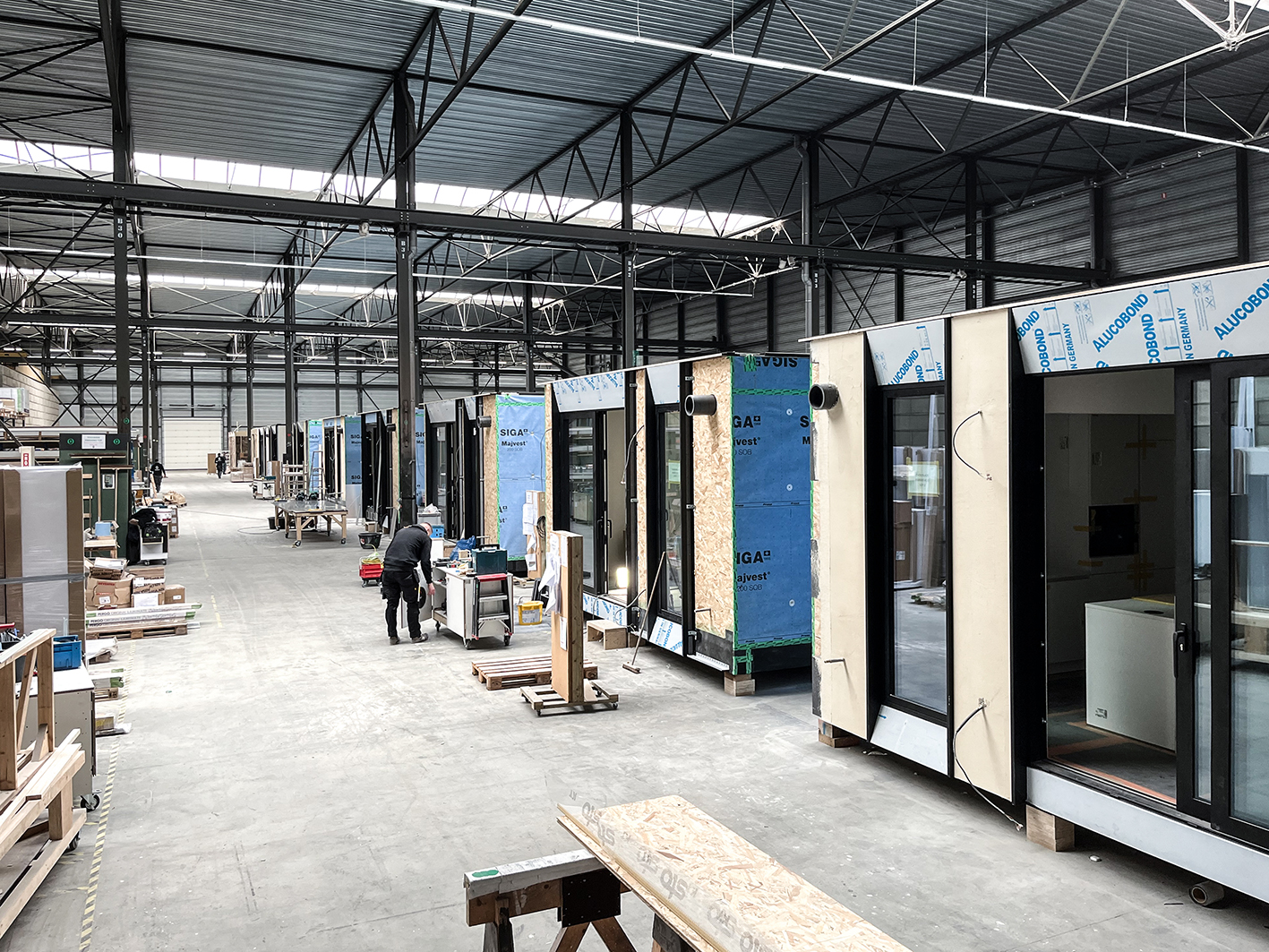 Modular construction gains momentum across every market
Skilpod's growth extends well beyond the social housing sector. Property developers are increasingly embracing modular construction because of its shorter construction period, faster return on investment and greater predictability throughout the entire building process. At the same time, Skilpod is exploring new applications for its modular building system, ranging from holiday parks and student accommodation to repetitive care units for residential care facilities.
Private homebuyers are also increasingly choosing modular homes. Whereas modular construction was once mainly associated with speed, Skilpod now stands out for its architectural quality, living comfort and worry-free building experience. The combination of a fixed price, a short delivery time and a premium level of finish makes modular housing an increasingly attractive alternative to traditional construction.
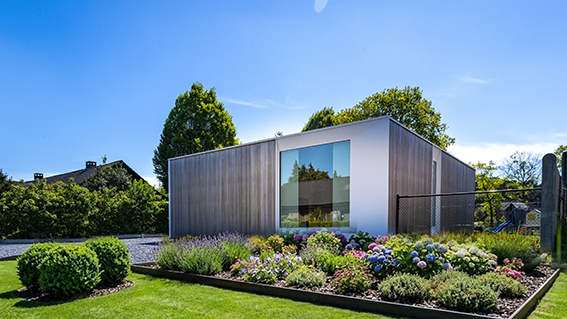
"We see that private buyers increasingly value certainty and peace of mind throughout their building journey," concludes Pieter Schoofs. "At the same time, they recognise that choosing a modular home no longer means compromising on architecture or living quality. On the contrary, our homes combine thoughtful design, premium finishes and an efficient construction process. That combination appeals to an ever broader audience."
more about sustainable building

Sustainability — lifespan of timber-frame construction: how long does a wooden house last?Belgians stick to their much-loved bricks. Some fear a wooden house can't stand the test of time. But is this founded in reality?

sustainable building — Lifespan of a prefab home: how long does a prefab house last?Does a prefab house last as long as a brick house? What is the lifespan of prefabricated houses, and what factors determine it?

sustainable building —E-level vs EPC: what do they mean for your BEN home?Are Skilpods energy neutral? What is the E-level of a Skilpod? Or the EPC? We're happy to clarify it for you, so you know what you're comparing.