skilpod.com / blog
sustainable building — prefab is anything but a one-hit wonder
We don't need to convince you that the lifespan of a house is important. After all, houses are more than just four walls. You grow up in them, you invest in them for your future and one day you hope to pass them on to your children. So if you want to build a prefab home, you want to be sure that your choice will pay off for decades to come.
So it's no wonder we often get the question: how long will a prefab home last? We understand that many people have questions about the lifespan of prefab homes, but don't worry, we're happy to guide you through all your questions.
What is the lifespan of prefabricated houses?
The lifespan of a prefab home does not depend on the construction method, but on the quality of the work and the chosen building materials.
The word prefab refers only to the construction method. Parts of the building are pre-assembled in a workshop and then transported to the building site. You can have houses prefabricated in all kinds of materials. At Skilpod, we choose timber frame construction. Wood is a sustainable material, both in terms of ecological impact and longevity.
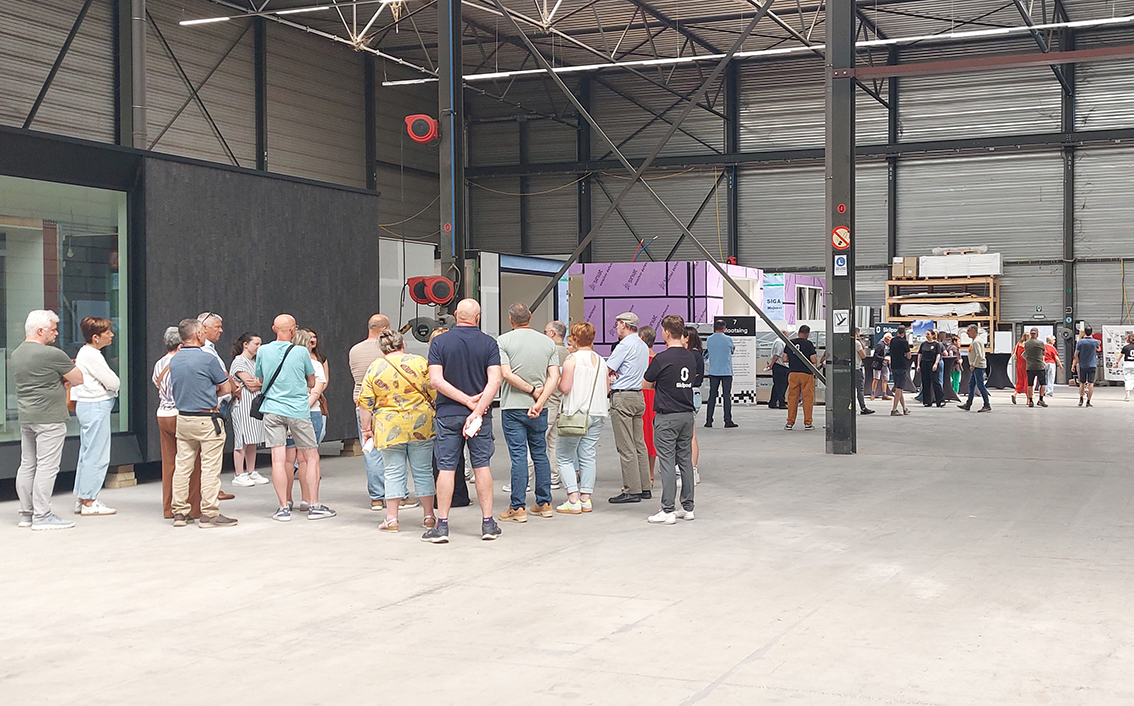
The quality of the work is also a choice of the construction company. How good are the designs? How accurately do the employees and machines work? How carefully are materials handled? Are there extra checks on electrical and plumbing installations? At Skilpod, you are always welcome to visit our workshop to see that we pay extra attention to quality.
Does timber frame construction last as long as a house made of bricks?
Timber frame construction, just like a brick house, can last for generations. Wood is an organic material and will therefore react differently to its environment than bricks. However, we tend to underestimate wood as a material. The oldest houses in Belgium often contain wooden structures, and some remains of wooden structures are almost 500,000 years old. So wood can certainly last for generations.
But as with a traditionally built house, the quality of your construction does go hand in hand with the quality of the builder. The builder can ensure that the wood in your house is extra well protected from outside influences.
This is how we protect your prefab timber frame construction against moisture
At Skilpod, we build your entire home in our workshop so that the structures remain dry and shielded from the outside climate. Some companies build their timber frame houses on-site. But if proper precautions are not taken, the house may be left in the rain for a long time and the wood may rot. We only transport the house to the site once it is completely finished. During transport, it is additionally protected against the weather and on site, it is finished watertight as soon as it is installed.
In addition, we take many measures to keep any moisture out of the structure of our prefab houses and ensure that the load-bearing wooden elements never come into contact with the outside world. Only if you opt for an exterior finish in wood, you will need additional wood maintenance.
Skilpod does not use random wooden beams, but LVL wood: Laminated Veneer Lumber. This is industrially processed wood made up of several thin layers of wood that are glued together under high pressure. The advantage? LVL is strong, dimensionally stable and can be processed with great precision. Perfect for prefab timber frame construction where everything needs to fit down to the millimetre.
Is a prefab house sturdy?
Yes, you can even build them so sturdy that they survive a hurricane. Just take a look at these prefabricated timber frame buildings in Florida. In Belgium we have our own standards, tailored to our weather conditions. Any house for permanent residence that you build here, regardless of the construction method, has to meet those standards. Even prefab homes.
3D modular construction
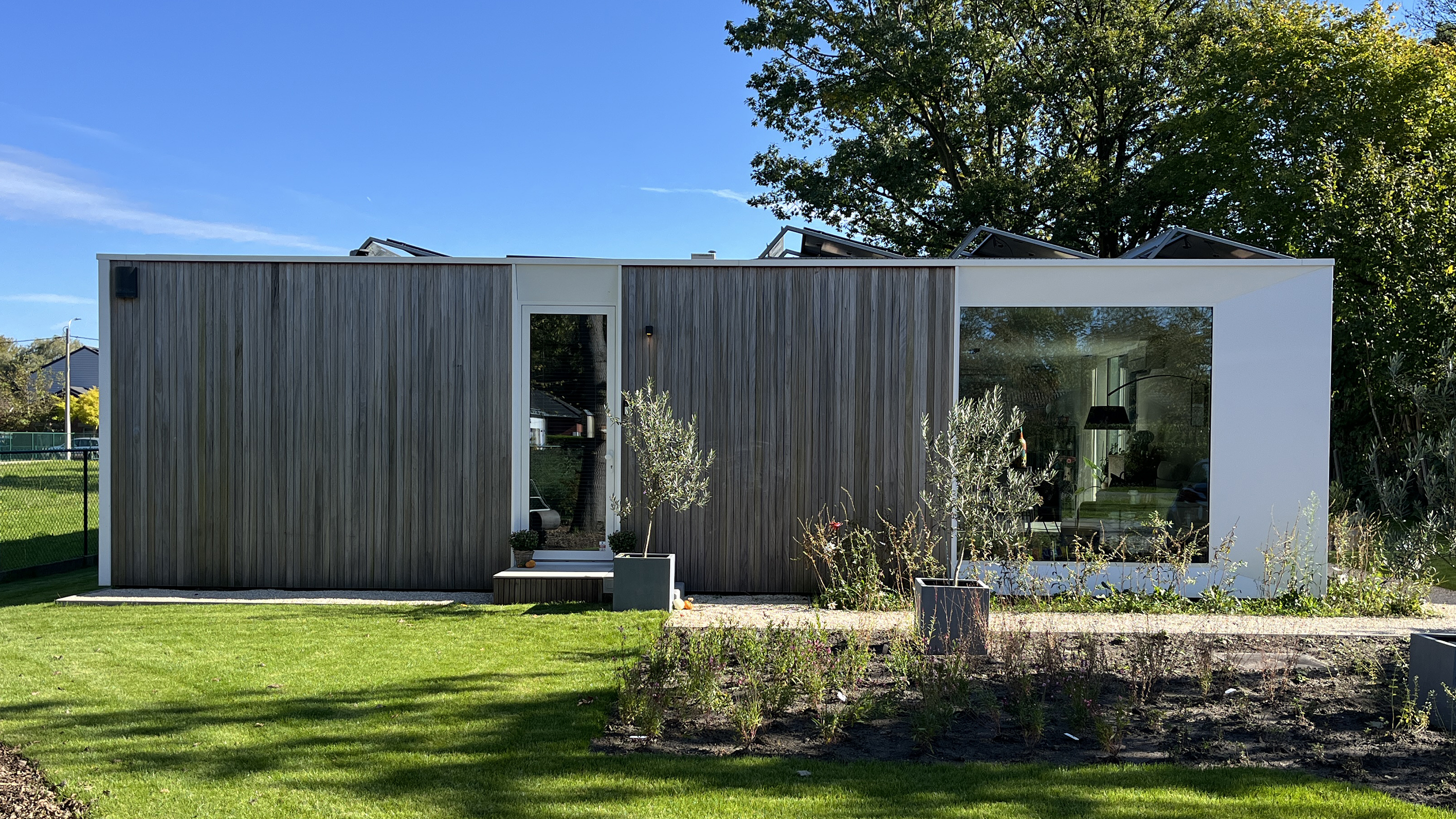
At Skilpod, we build our prefab houses in 3D modules that are picked up in their entirety by a crane. So for such prefab installation, the house has to be very sturdy, otherwise the modules would collapse like a house of cards when you pick them up..
Which factors determine the lifespan of prefab homes?
The lifespan of prefab homes depends on more than just the construction itself. The level of maintenance also plays a role. Just like a brick house, you will have to refurbish a prefab house every few years: clean the façade and roof, install a new kitchen... So you will have to take the same care of a prefab house as a traditionally built one. Then it will certainly last long enough for you, your children and grandchildren.
Skilpod prefab homes are built for the long term
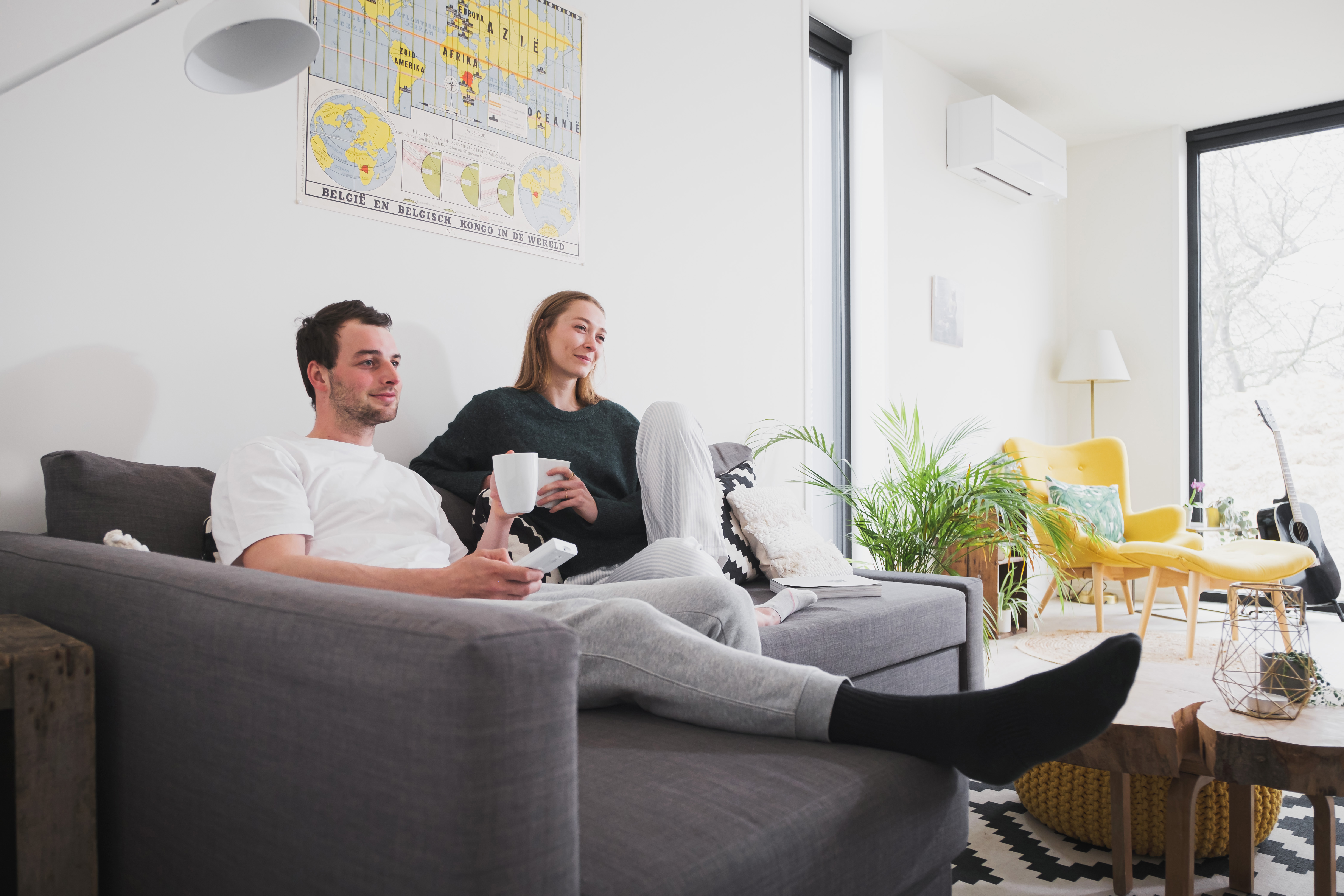
The lifespan of your prefab home is determined by the combination of design, materials, construction method, protection and maintenance. And that is exactly where Skilpod’s strength lies: we build in dry conditions in our workshop, choose strong LVL wood, protect the structure against moisture and work with modules that are sturdy enough to be placed as a complete home.
Read more about our approach
more about sustainable building

Sustainability — lifespan of timber-frame construction: how long does a wooden house last?Belgians stick to their much-loved bricks. Some fear a wooden house can't stand the test of time. But is this founded in reality?

sustainable building —E-level vs EPC: what do they mean for your BEN home?Are Skilpods energy neutral? What is the E-level of a Skilpod? Or the EPC? We're happy to clarify it for you, so you know what you're comparing.

sustainable building — why Skilpods are completely gas-freeGas-free living - also known as all-electric - simply means you no longer use natural gas in your home. That mainly impacts heating, hot water and how you cook.